Soy Saucealso: 醬油 · 간장 · nước tương · kecap
Fermented soybean liquid, the most-used condiment in human history. Each East Asian culture has developed its own profile.
Origin
Originated in China around 200 BCE, spread to Japan by the 7th century, to Korea by the same period. Each tradition diverged: the Japanese kicked koji into a much bigger role; the Chinese fermented longer for darker, richer profiles; the Korean version (jang) became thicker and more strongly fermented.
What it tastes like
Salty and umami; fermentation depth varies. Chinese light soy is brisk and salt-forward; Chinese dark soy is sweet and molasses-like; Japanese koikuchi is balanced; tamari is wheat-free and richer; Korean joseon ganjang is the most pungent.
How it's used
Universal. The cuisine and the recipe dictate the type — substituting is not a 1-to-1 swap.
Buying
Light soy: Pearl River Bridge or Lee Kum Kee. Dark soy: same brands, look for 'dark' or 'lao chou'. Japanese: Kikkoman is acceptable, Yamasa is better, Yamaroku Kiku Bisi is sublime. Korean: Sempio.
Substitutes
Tamari (gluten-free), coconut aminos (lower-sodium, sweeter). Avoid 'low-sodium' versions for cooking — they have less umami too.
Storage
Pantry until opened, refrigerated after for best flavour. Indefinitely stable.
Recipes using Soy Sauce
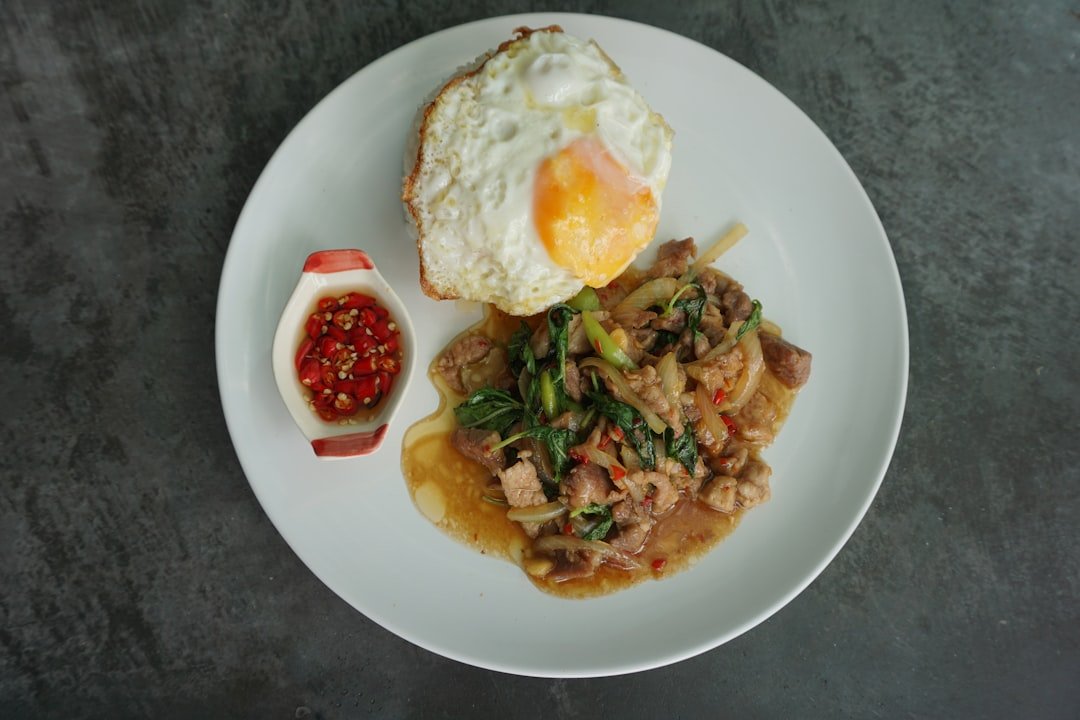
Pad Krapow Gai
Khao Pad

Pla Rad Prik
Moo Ping
Tonkotsu Ramen
Sanuki Udon Kake
Oyakodon
Sukiyaki
Saba no Misoni
Buta no Shogayaki
Hijiki no Nimono
Tamagoyaki
Horenso no Goma-ae
Takoyaki
Yakitori Negima
Chawanmushi
Hokkaido Soup Curry
Nikujaga
Kung Pao Chicken
Dan Dan Mian
Suan La Tang
Xiaolongbao
Gu Lou Yuk